Here’s a question most beginner content never asks: before you bought that stock, did you know whether you were making a trade or an investment? It sounds like a small distinction. It isn’t. The answer changes your exit strategy, your position size, your emotional response when the price dips and whether you make or lose money on the position. The good news is that you don’t have to choose one or the other. Smart traders do both simultaneously. But you have to know which mode you’re in before you click buy. Not after.

What Is a Trade?
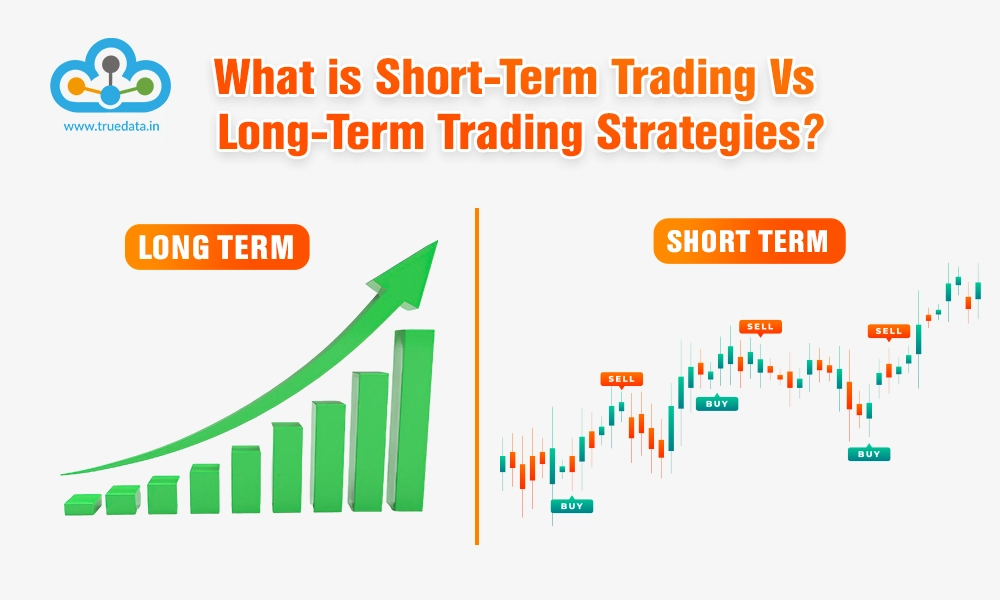
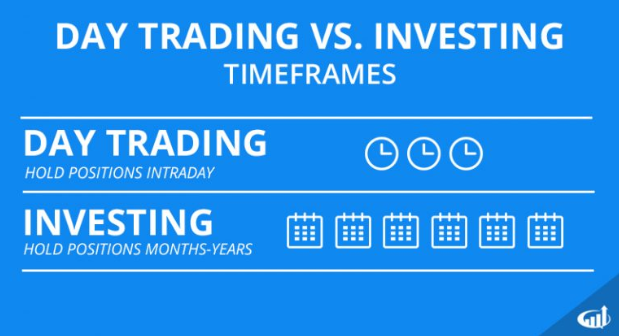
A trade is a position you enter with a specific short-term thesis and a defined exit in both directions. You have a target price where you’ll take profit, and a stop-loss where you’ll accept you were wrong and get out. A trade is time-bound and thesis-bound. When either the time runs out or the thesis breaks, you exit, regardless of how you feel about the stock. Emotion doesn’t get a vote. The plan does.
Trades are typically held for days to weeks. They’re driven by price action, technical signals, news catalysts, or seasonal patterns — the kinds of things you’ve been learning to read since March. Your pre-trade checklist from Week 3 was built specifically for this mode. Every question on it — position size, stop-loss, risk-to-reward, emotion check — applies to a trade.
 What Is a Long-Term Hold?
A long-term hold is a position you enter based on a fundamental thesis; a belief about what a company will become over months or years, not what its stock will do next Tuesday. Long-term investing means buying and holding assets with the expectation of significant appreciation over an extended period -- typically years. The focus is on the underlying business fundamentals rather than short-term price fluctuations. With a long-term hold, a 10% dip doesn’t necessarily trigger an exit because the thesis hasn’t changed. You’re not watching the daily candles. You’re watching the company. Quarterly earnings, clinical trial results, management decisions, revenue growth. That’s your data.
The primary advantage of long-term holding is the potential to benefit from compound growth and reduced transaction costs, while avoiding the emotional pitfalls of short-term market volatility. You check it less. You stress about it less. But you also need more patience because the payoff isn’t measured in days.
A Real Example: Two Positions, Two Modes
Let’s make this concrete with two real stocks from the QRITICAL community.
COTY — The Active Trade
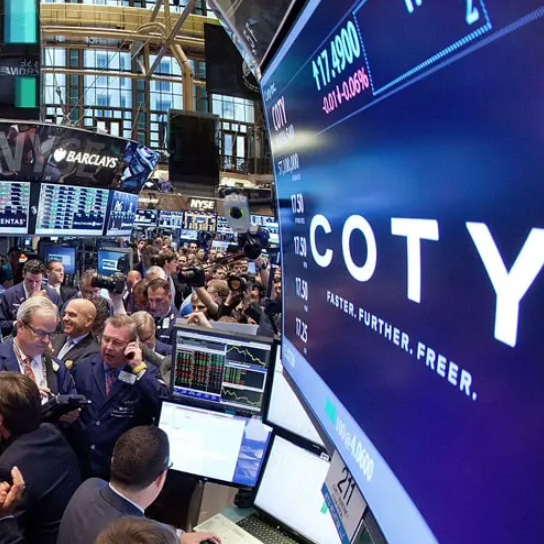
Coty Inc. is a global beauty and fragrance company — brands like CoverGirl, Kylie Cosmetics, and Burberry fragrances sit under its umbrella. Coty operates through two segments, Prestige and Consumer Beauty, manufacturing, marketing, and distributing branded beauty products worldwide.
A member in our community spotted COTY as a potential setup and another member bought in at $2.20. As of this week, COTY is trading at $2.47; a gain of roughly 12% from entry. That’s a trade working exactly as intended.
Why is this a trade and not a hold? Because the thesis is price-based and time-sensitive. A buy signal was issued from a pivot bottom point in late March 2026, and volume has been rising along with the price. The entry was based on a technical setup. The exit will be based on price action too, either hitting a profit target or breaking below a stop. There’s no multi-year thesis about Coty’s business transformation here. There’s a setup, an entry, and a plan.
It’s worth noting that COTY has real headwinds: a federal securities lawsuit filed in March 2026 and several analyst price target reductions. Analysts have conflicting sentiments on COTY, with some lowering targets while RBC Capital recently issued a Buy rating. That mixed picture is exactly why this is being managed as a trade with a defined exit not a long-term commitment to the company.
CGTX — The Long-Term Hold
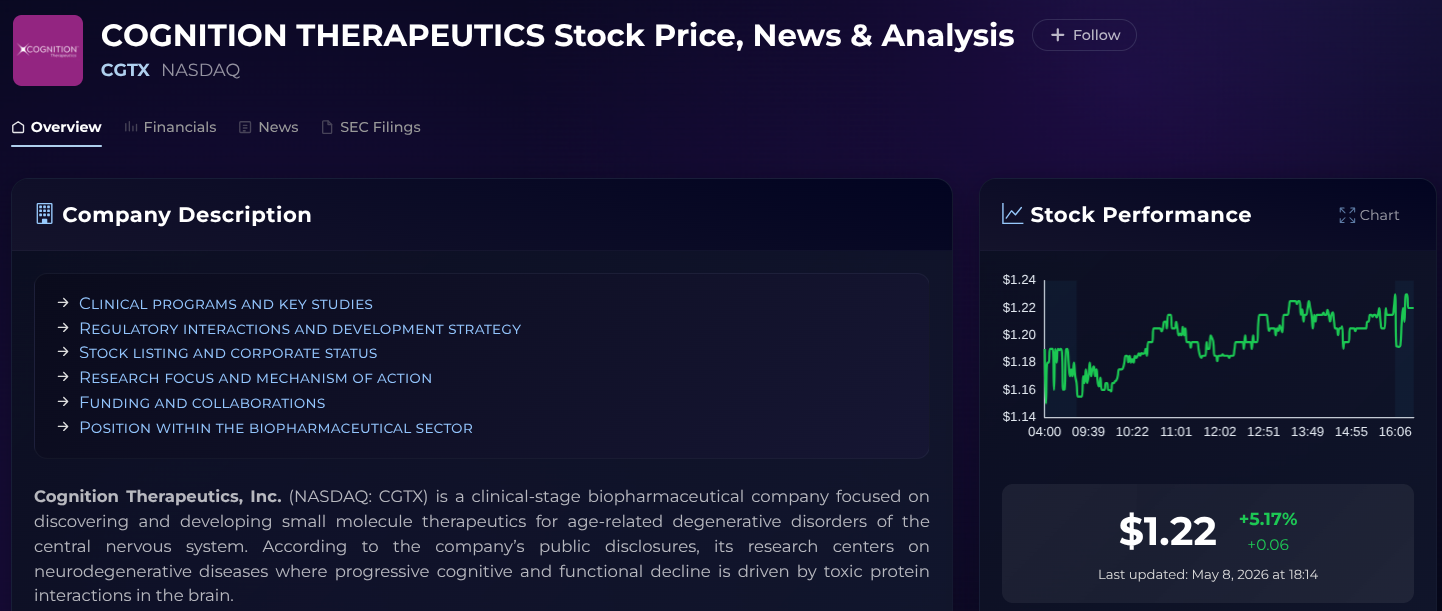
Cognition Therapeutics is a biopharmaceutical company developing treatments for Alzheimer’s disease. This is a fundamentally different kind of position. Cognition Therapeutics’ ongoing clinical trials, particularly the Phase 2 START trial, have garnered increased interest from investigators, bolstered by promising preliminary results and encouraging mechanistic rationale tied to genetic studies that underline the potential of its lead product candidate, CT1812.
You don’t buy a clinical-stage biotech and check it every morning. You buy it because you believe in the science, the pipeline, and the long-term upside and you accept that the path will be volatile. Wall Street analysts predict CGTX stock could reach $3.50 in the next 12 months, representing a potential upside of over 200% from recent prices; though this comes with the significant risks inherent in clinical-stage pharmaceutical development.
That potential is real. So is the risk. Which is why position size matters even more on a long-term hold? You size it so that if the thesis takes longer than expected to play out, you can hold without panic.
The Question That Changes Everything
Before you buy any stock, ask yourself one question:
“If this drops 15% next week, what do I do?”
If your answer is “I check whether my stop-loss was hit and exit if so” you’re making a trade. Build your position using the Week 3 checklist.
If your answer is “I check whether the fundamental thesis has changed and if it hasn’t, I hold or buy more,” you’re making a long-term hold. Size it conservatively and give it time.
The mistake most beginners make is entering a position as a trade and converting it to a long-term hold when it goes against them hoping it will recover rather than admitting the trade didn’t work. That’s not investing. That’s a trade that lost its stop-loss. Know which one you’re making. Write it down before you buy. It is one of the most important habits you can build before July.
Both at Once
Here’s the thing nobody tells beginners: you don’t have to choose. A well-structured beginner portfolio can hold active trades and long-term positions simultaneously as long as you know which is which. Your active trades get the full checklist treatment: position size calculated, stop-loss set, risk-to-reward confirmed, emotion checked. Your long-term holds get a different discipline: fundamental research, conservative sizing, and the patience to let the thesis develop without second-guessing every dip.
Two modes. Two sets of rules. One account.
The key is not to blur the line between them. Traders who treat long-term holds like trades, checking prices obsessively and reacting to every move, lose the benefit of both strategies.
In July, when real money is on the line, you’ll likely have both types of positions. Start deciding now, in your simulator, which stocks belong in which category...and why.
That clarity is what separates a trader from someone who just buys stocks.
References


Responses